

A federal jury in Nevada has convicted Las Vegas businessman Brent Kovar in a cryptocurrency-related investment fraud case involving approximately $24 million. According to the U.S. Department of Justice, at least 400 investors placed money into the operation after being presented with claims about investment returns and the financial strength of the business. Prosecutors said investors were shown promises and records that created the appearance of a legitimate and profitable operation. The government argued that the underlying business did not have the reserves or financial activity represented to investors, while money from participants was used in ways inconsistent with those representations. How Investment Schemes Create an Appearance of Legitimacy Large investment schemes rarely begin by appearing obviously fraudulent. Professional websites, financial terminology, account dashboards and detailed presentations can make an opportunity look established. Victims may even receive early payments, reinforcing the impression that the underlying investment strategy is working. Promises of unusually consistent investment returns Financial statements that cannot be independently verified Pressure to increase an existing investment Difficulty withdrawing funds when requested The Nevada case demonstrates why investors should examine where returns actually originate. A platform showing increasing balances does not necessarily mean those funds exist or that genuine investment activity is taking place behind the displayed figures. “A professional presentation cannot replace independently verifiable evidence that an investment and its underlying assets actually exist.” For victims, maintaining records can become extremely important once concerns arise. Bank transfers, cryptocurrency wallet information, agreements, emails and screenshots may help reconstruct how funds moved and what representations were made before each payment. The conviction does not automatically resolve every investor’s financial loss, but it provides an important example of authorities tracing a complex investment operation through financial records. Anyone concerned about a similar scheme should avoid sending additional funds, preserve all available evidence and assess recovery options as early as possible.
$165 Million Crypto Ponzi Case Returns to U.S. Court
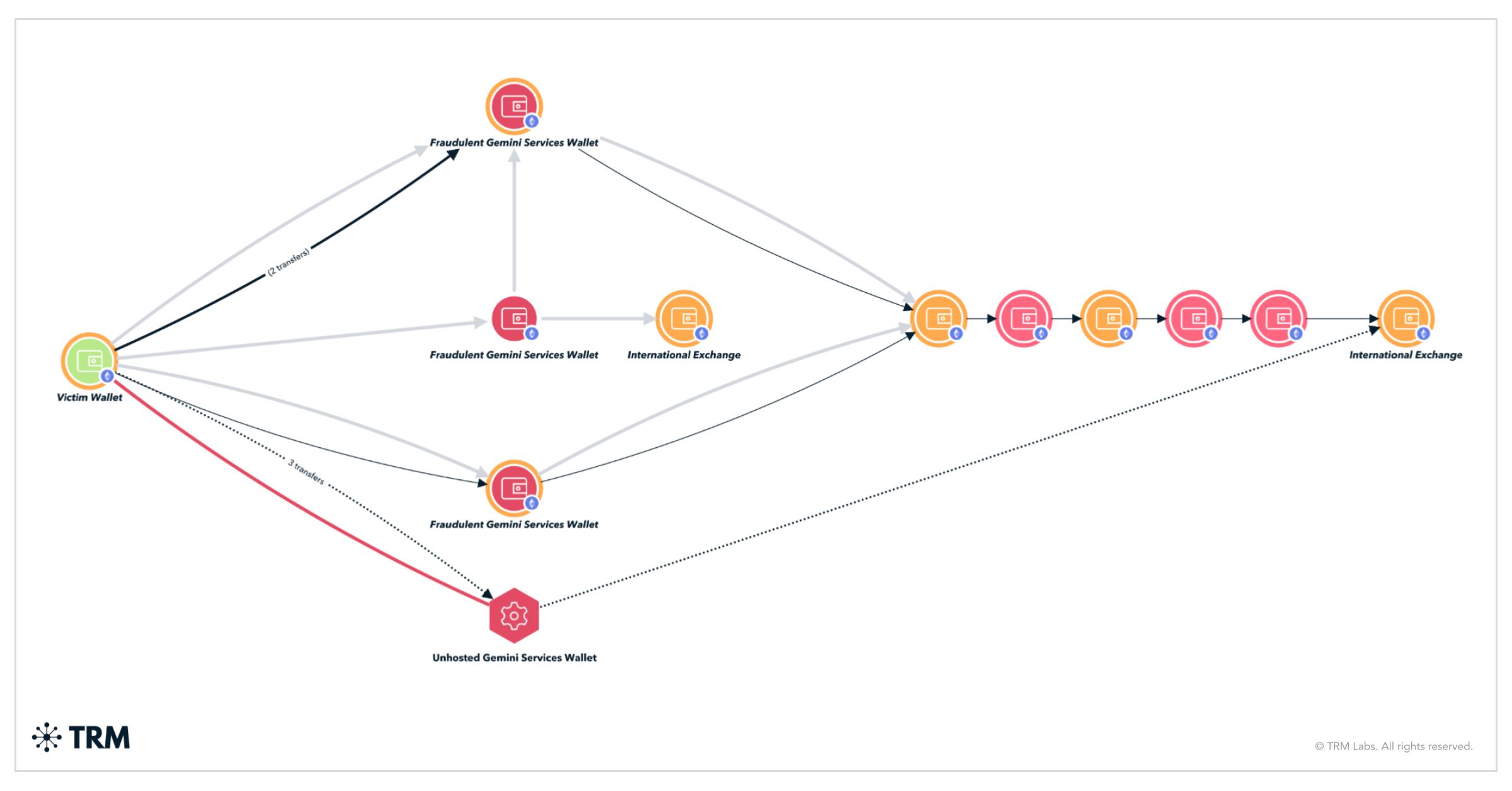
A man accused of orchestrating a cryptocurrency investment scheme worth approximately $165 million has returned to the United States to face federal charges. Prosecutors in Georgia say Edward Zimbardi promoted what was described as a “Crypto Program” and attracted thousands of participants with claims of exceptionally high investment returns. According to the U.S. Department of Justice, investigators allege that investor money was instead directed toward risky currency trading, payments to earlier participants and personal expenses. Authorities say Zimbardi later travelled to Fiji before being deported and returned to the United States for federal proceedings. The allegations remain subject to determination in court. Why Ponzi Structures Can Remain Hidden for Years A Ponzi operation can appear successful while new money continues entering the system. Payments received by early participants may be interpreted as proof that an investment strategy works even when those payments are actually funded by later investors. Extremely high or unusually stable promised returns Referral incentives encouraging additional investors Limited information about actual trading activity Delays or new conditions when withdrawals are requested This dynamic makes early detection difficult. Some participants may successfully withdraw money, provide positive testimonials and recommend the program to friends or family before the underlying structure begins to fail. “Receiving an early payout does not prove that an investment is generating legitimate profits.” When cryptocurrency is involved, investigators may also examine blockchain records alongside conventional financial evidence. Wallet addresses, exchange accounts and transaction histories can provide a permanent record of transfers even when money moves through multiple services or jurisdictions. People who believe they participated in a similar operation should preserve wallet addresses, transaction hashes, deposit confirmations, correspondence and promotional materials. The sooner a transaction history is reconstructed, the easier it can be to understand where funds travelled and which entities may have handled them.
NFT Startup Founder Faces U.S. Investor Fraud Charges
U.S. federal prosecutors have charged the founder of an NFT-focused startup with securities and wire fraud. The case concerns Few and Far Limited, a company created to develop a marketplace for non-fungible tokens. Authorities allege that founder Taj Tarsha raised millions of dollars from investors while making misleading statements about how their capital would be used. According to prosecutors, investors were told that their money would support the development and growth of the NFT marketplace. The indictment instead alleges that part of the capital was diverted for personal purposes, including gambling and lifestyle spending. These claims are allegations and must still be proven in court. When Startup Investment Becomes a Fraud Risk Investing in early-stage technology naturally involves uncertainty. A project can fail without fraud having occurred. The critical difference is whether investors received accurate information regarding the business, its finances and the intended use of their money. Verify who controls company and investment accounts Request documentation supporting major financial claims Treat guaranteed startup returns with extreme caution Preserve agreements and investor communications Crypto and NFT projects can add another layer of complexity because payments may involve conventional banking, stablecoins, cryptocurrency exchanges and personal wallets. This makes it particularly important to document the complete transaction path. “A startup failing is not automatically fraud; intentionally misleading investors about where their money goes is a fundamentally different issue.” For investors, marketing material alone should never replace due diligence. Founders may present ambitious roadmaps and impressive technical concepts, but investors should still evaluate company registration, management, contractual rights and financial controls. If concerns emerge after funds have already been transferred, keeping investment agreements, emails, wallet transactions and representations concerning the use of capital can become critical. Together these records can help establish what investors were told and compare those statements with the subsequent movement of funds.

Nine-Year Sentence in $23.6 Million Investment Fraud Case
A Kentucky man has been sentenced to nine years in federal prison for participating in an international wire fraud scheme that caused more than $23.6 million in losses. The U.S. Department of Justice says over forty victims believed they were placing money into a private trading platform capable of generating significant investment returns. According to federal authorities, Stacy Allen Taylor worked with others in the operation, while victims transferred substantial amounts believing their capital would participate in legitimate trading. Prosecutors said most of those victims ultimately lost their entire investment. The sentence was imposed on August 11, 2026. Private Trading Platforms Require Careful Verification Fraudulent platforms often borrow terminology from legitimate financial markets. References to private trading, institutional programs or exclusive opportunities can create a sense that investors are receiving access to something unavailable to the general public. Claims of exceptionally high returns with limited risk Requests for large wire transfers to unfamiliar entities Vague explanations of how trading profits are generated Increasing obstacles when investors request withdrawals Victims may receive account statements or online dashboards showing apparent profits. These interfaces should not be treated as independent proof that underlying assets, trades or balances actually exist. “The more exclusive an investment opportunity claims to be, the more important independent verification becomes.” Cross-border transactions can complicate recovery because different companies, accounts and intermediaries may be located in separate jurisdictions. Following the movement of funds therefore requires accurate records of each payment rather than relying only on the final investment platform. Anyone who suspects investment fraud should preserve bank records, beneficiary details, contracts, emails and account screenshots. These documents can help investigators and recovery professionals reconstruct the payment chain and determine which financial institutions or other entities interacted with the funds.

Cambodia Says Major Scam Compounds Have Been Shut Down
Cambodian authorities say they have dismantled the country’s large-scale online scam compounds after an extensive crackdown on industrial fraud operations. Officials reported investigating hundreds of suspected locations and closing more than 600 sites while making nearly 30,000 arrests involving people from dozens of nationalities since July 2025. However, specialists and human-rights organizations remain cautious about the announcement. Experts cited by Reuters say large centralized compounds may be disappearing while some operations relocate into smaller and less visible locations such as apartments and other private premises. Independent verification remains difficult Online Fraud Has Become an International Industry Modern scam networks can operate more like businesses than isolated criminals. Large groups may divide work between initial contact, relationship building, payment processing, money laundering and technical support while targeting victims across many countries. Fake cryptocurrency and investment opportunities Romance-based financial manipulation Impersonation of legitimate financial institutions Sophisticated social-engineering and payment scams An important complication is that some people working inside scam compounds may themselves have been trafficked or coerced. This creates a criminal ecosystem where financial fraud, organized crime and human exploitation overlap. “Closing a physical scam center can disrupt an operation, but the digital infrastructure and financial networks behind it may move elsewhere.” For potential victims, the location of the scammer is often impossible to determine from a website, telephone number or messaging account. A professional online presence may have no meaningful connection to the jurisdiction it claims to operate from. Verification should therefore focus on independently confirmed company information, financial licenses, payment beneficiaries and withdrawal conditions. Once suspicious payments have been made, preserving conversations and transaction data may help establish how the scheme operated and where the money travelled.
Crypto Executive Faces Extradition Over Saitama Fraud Case
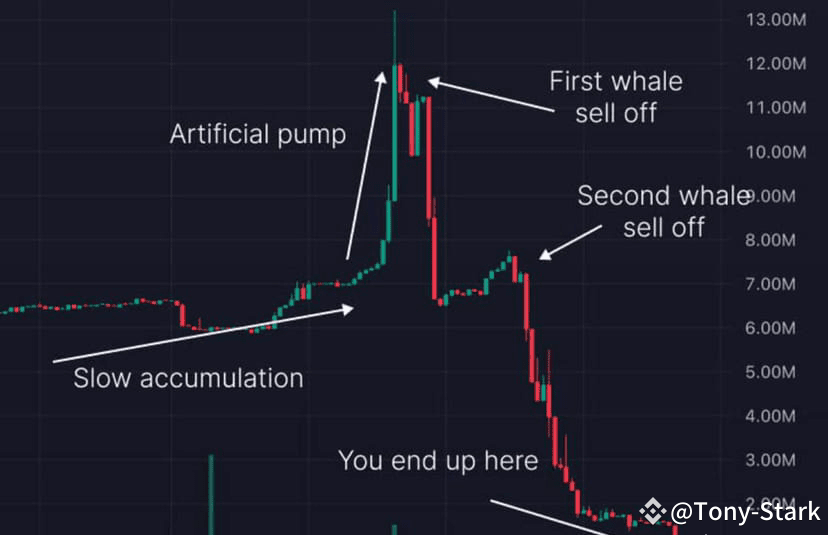
A British court has moved forward an extradition case involving cryptocurrency executive Manpreet Kohli, who is wanted in the United States on allegations of wire fraud and market manipulation connected with the Saitama token. Kohli served as chief executive of the cryptocurrency project, whose token once reached a multibillion-dollar market valuation. U.S. authorities allege that participants misrepresented their role in promoting and purchasing the token while privately selling their own holdings. Reuters reports that prosecutors accuse Kohli of personally obtaining approximately $20 million. Kohli has contested extradition, and the allegations against him remain subject to U.S. court proceedings. Market Manipulation Can Distort What Investors See Cryptocurrency markets can react quickly to announcements, social-media promotion and visible trading activity. Manipulative activity can create the impression that genuine investor demand is increasing when activity may instead be coordinated by parties who already hold substantial quantities of the asset. Undisclosed promotion by people holding the token Coordinated purchases designed to influence perception Promotional claims unsupported by verifiable information Large insider sales following a rapid increase in price The Saitama investigation was particularly notable because the FBI used a digital token created during its investigation to help detect alleged manipulation in the wider crypto market, according to Reuters. “Visible trading activity does not always represent independent market demand, especially when the identities and incentives of promoters remain unclear.” For individual investors, identifying manipulation before losses occur can be extremely difficult. Token prices may rise rapidly, online communities may appear active and influential accounts may promote a project simultaneously. This makes independent due diligence essential. Investors should examine token distribution, project leadership, disclosed holdings and whether promoters have financial incentives that are not obvious to the public. When suspected manipulation has already resulted in losses, transaction hashes, exchange records and promotional communications can provide important evidence of what occurred.